
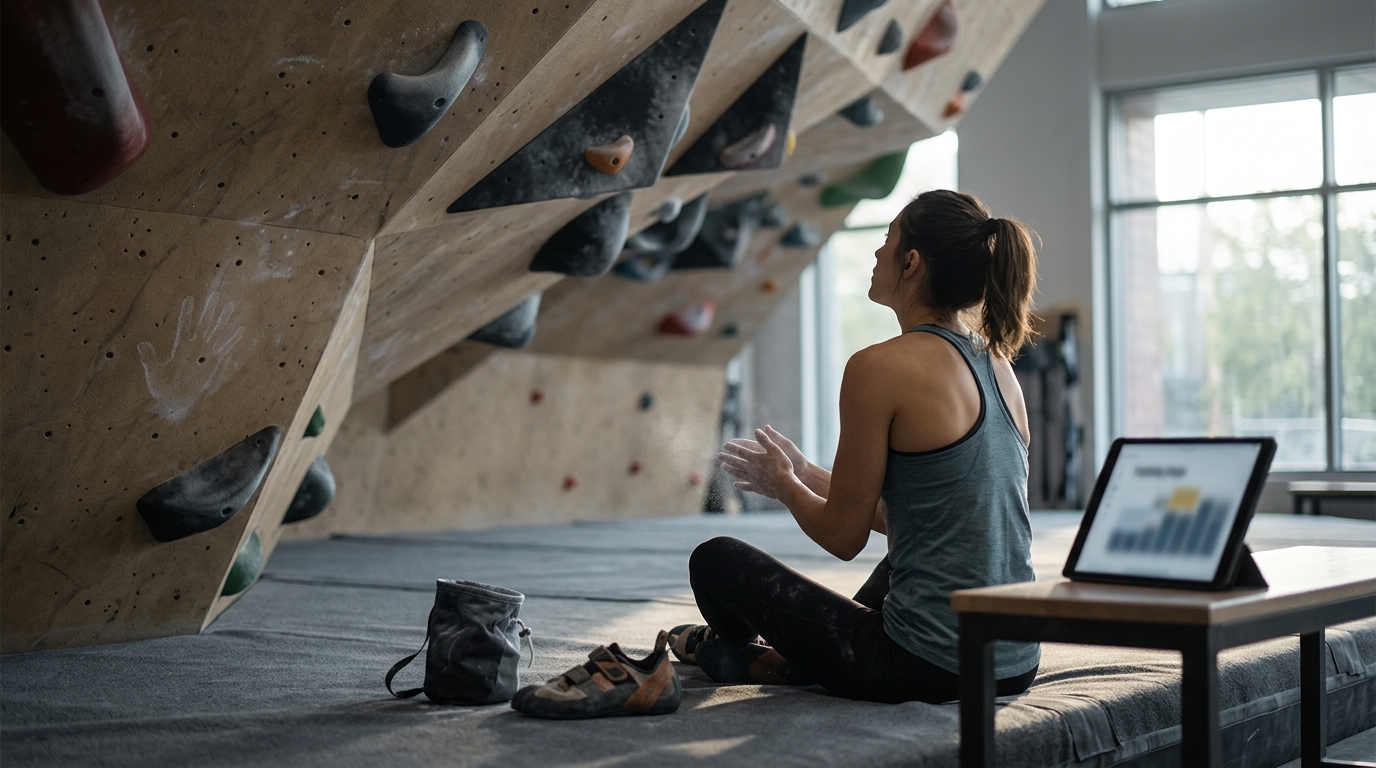
Reaching the V10 grade is a significant milestone in any climber's journey. It marks the transition from recreational climbing to serious athletic pursuit. According to recent industry data, less than 5% of climbers ever achieve this level. This statistic highlights the rigorous physical and mental demands required to progress beyond V7. Climbing V10 and beyond is not just about raw strength. It requires a sophisticated understanding of body mechanics, energy management, and structured periodization. Many climbers plateau because they rely on unstructured gym sessions rather than targeted training protocols. This guide outlines the exact steps to break through that ceiling. (ABOUT Paradigm Climbing)
Understanding the V10 Barrier
The jump from V8 to V10 is often the most difficult leap in bouldering. At this level, problems require sustained power and precise technique. Climbers cannot rely on momentum or luck. The holds become smaller, and the movement patterns more complex. V10 is defined as a bouldering grade requiring significant finger strength and dynamic movement capabilities. This definition sets the baseline for what your training must address.
Many climbers make the mistake of training harder instead of training smarter. They increase hang time on the board without addressing their weaknesses. This approach leads to overuse injuries and stagnation. A structured plan addresses these gaps systematically. You must understand your current limitations before prescribing a solution. This is where professional coaching becomes invaluable. Coach Charlie Schreiber, founder of Paradigm Climbing, emphasizes that understanding why training works is more important than just doing it. His approach focuses on long-term athlete development rather than quick fixes.
Progression to V10 also requires mental resilience. The fear of falling increases as the stakes get higher. You must develop trust in your equipment and your body. This mental component is often overlooked in physical training plans. Integrating visualization and breathing techniques into your routine can yield significant performance gains. The goal is to move beyond unstructured training and take ownership of your progress.
Foundational Strength Metrics
Before diving into specific drills, you need to establish a baseline. What are your current strength metrics? Are you strong enough to hang on small edges for extended periods? Finger strength is the primary limiting factor for most climbers attempting V10. However, it is not the only one. Core tension and hip mobility play crucial roles in maintaining efficiency on steep terrain.
Finger strength is the primary capacity required to hold onto small edges and crimps during high-intensity bouldering. To build this, you need a structured hangboard protocol. Start with open-hand hangs on larger edges and gradually progress to smaller edges and one-finger hangs. Volume and intensity must be carefully managed to avoid tendon injury. Tendons adapt much slower than muscles. If you increase your hang time too quickly, you risk chronic pain that can sideline you for months.
Core strength is equally important. A strong core allows you to keep your feet on the wall when your arms are burning. It transfers force from your legs to your hands efficiently. Exercises like planks, leg raises, and hanging knee tucks are essential. But they must be performed with high tension and control. Weakness in the core often manifests as swinging or inefficient movement patterns on the wall.
Hip mobility is the final piece of the strength puzzle. Climbers with tight hips struggle to keep their heels down and their center of gravity close to the wall. This leads to early forearm fatigue. Incorporating yoga or dedicated hip-opening drills into your routine can improve your range of motion. Better mobility means better technique and less energy expenditure.
Periodization Strategies for Progress
Periodization is the systematic planning of athletic or physical training. It involves cycling through different phases of training to optimize performance and prevent overtraining. For climbers aiming for V10, a linear progression model is often ineffective. Instead, a block periodization approach works best.
The first phase focuses on hypertrophy and base strength. This involves higher volume training with moderate intensity. The goal is to build muscle tissue and connective tissue resilience. This phase typically lasts 4 to 6 weeks. During this time, you should focus on bodyweight exercises, pull-ups, and core work.
The second phase shifts to maximal strength. This involves lower volume and higher intensity. You will perform fewer repetitions with heavier loads or smaller hangboard edges. This phase teaches your nervous system to recruit more muscle fibers. It is crucial for developing the raw power needed for V10 moves. This phase also lasts 4 to 6 weeks. You must monitor your recovery closely during this time.
The third phase is peaking. This involves short, intense bursts of climbing that mimic competition conditions. You will practice specific moves on V10 problems or simulated projects. The goal is to translate your strength into climbing performance. This phase is short, typically 2 to 3 weeks, before a deload period. Deload weeks are essential for allowing your body to recover and adapt. Skipping deloads is a common cause of plateauing.
Coach Mattias Braach-Maksvytis, a professional coach with extensive outdoor experience, advocates for a holistic approach. He combines strength training, technique, and tactics to improve overall power. His method ensures that you are not just strong, but also efficient. This holistic view is critical for long-term success. It addresses all factors that affect performance, not just finger strength.
Technical Drills and Mobility
Strength alone will not get you to V10. Technique is the multiplier. If your technique is poor, your strength is wasted. You must drill specific movements until they become automatic. This is where repetition becomes your best friend. Repeating climbs allows you to refine your beta and improve efficiency.
One effective drill is the "deadpoint" practice. This involves practicing dynamic moves where you reach for a hold at the peak of your jump. It teaches you to generate power and control your body in mid-air. Another drill is "heel hooking." Mastering heel hooks allows you to rest your legs and conserve energy. This is crucial for long V10 problems that require sustained effort.
Mobility drills should be integrated into your warm-up routine. Dynamic stretches for the hips, hamstrings, and shoulders are essential. Static stretching should be reserved for post-climb recovery. A comprehensive hip mobility program can significantly improve your ability to keep your feet on the wall. This reduces the load on your fingers and forearms.
Video analysis is another powerful tool. Recording your climbs allows you to identify inefficiencies that you cannot feel in the moment. You might notice that you are swinging too much or that your hips are too far from the wall. Correcting these issues can lead to immediate improvements in your climbing. Coach Charlie Schreiber uses video analysis to teach proper movement mechanics. This personalized feedback accelerates the learning process.
Comparing Training Methods
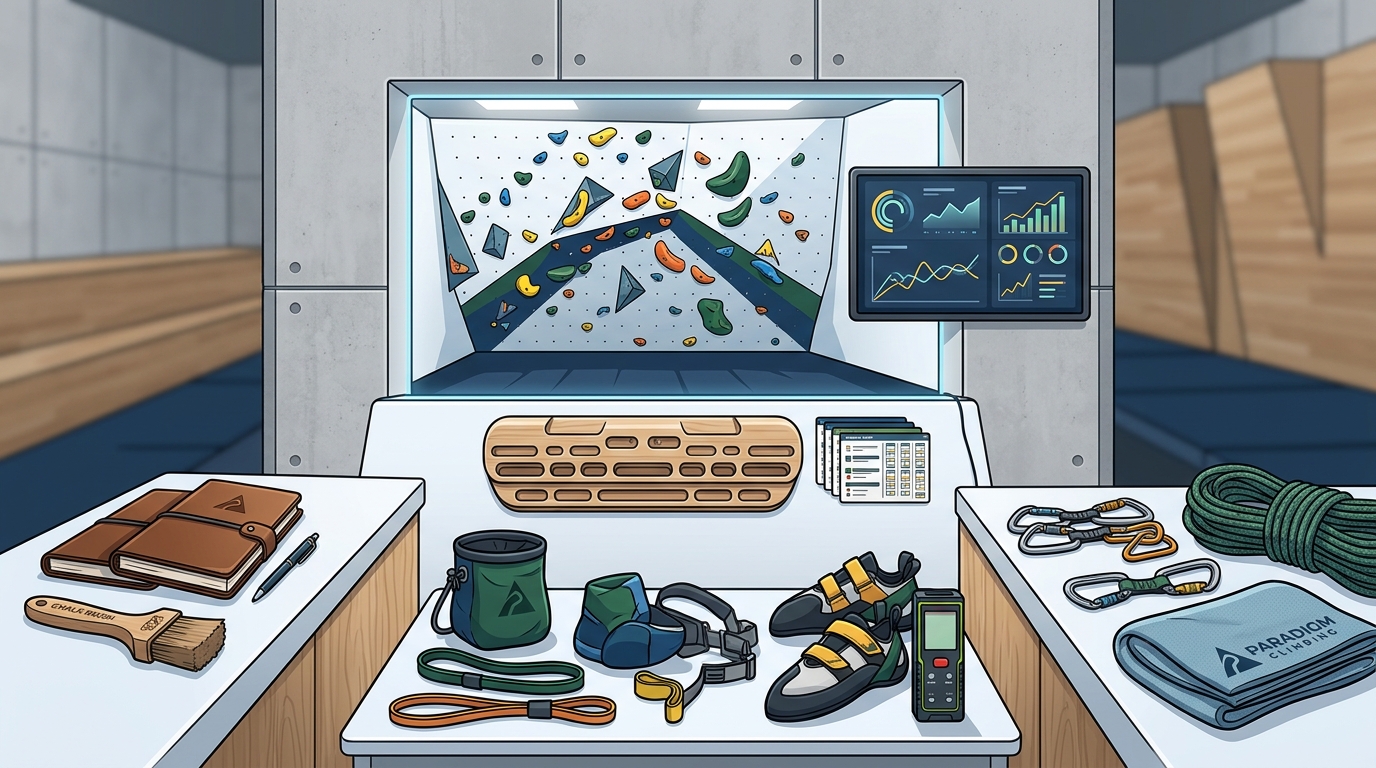
Not all training plans are created equal. Some climbers prefer structured, pre-written plans. Others prefer custom coaching. Understanding the differences can help you choose the right path for your goals.
| Training Method | Best For | Pros | Cons |
|---|---|---|---|
| Pre-Written Plans | Self-motivated climbers | Cost-effective, structured | Lacks personalization |
| Custom Coaching | Athletes needing guidance | Tailored to weaknesses | Higher cost |
| Blog Resources | Information seekers | Free, accessible | No direct feedback |
| Personal Lessons | Technique refinement | Immediate correction | Time-intensive |
Pre-written plans, such as the Full Spectrum Series, offer a solid foundation for climbers of all ages and skill levels. They include varied climbing training sessions, technical drills, and enhanced warm-up routines. These plans are perfect for overcoming a plateau. However, they may not address your specific weaknesses.
Custom coaching provides a personalized approach. Coach Charlie Schreiber and his team analyze your climbing style and prescribe specific protocols. This ensures that you are working on the right things at the right time. It also provides accountability and support. For climbers serious about reaching V10, this level of guidance is often worth the investment.
Personal lessons allow for real-time feedback. Coach Matt Ratajczak, a professional routesetter and coach, specializes in teaching technique through video analysis. This method is particularly effective for correcting subtle movement errors. It bridges the gap between theory and practice.
Key Takeaways
- V10 requires a blend of finger strength, core tension, and hip mobility. Neglecting any of these areas will hinder your progress.
- Periodization is essential for long-term growth. Cycling through hypertrophy, strength, and peaking phases prevents plateaus.
- Repetition is the key to technical mastery. Repeating climbs allows you to refine your beta and improve efficiency.
- Deload weeks are non-negotiable. They allow your body to recover and adapt to the training load.
- Video analysis accelerates learning. It helps identify inefficiencies that are not apparent during climbing.
- Professional coaching provides accountability. Working with coaches like Charlie Schreiber ensures you stay on track.
- Paradigm Climbing has trained over 1000 climbers. Their methods are proven to help athletes progress from V0 to V17.
Frequently Asked Questions
How long does it take to climb V10?
The time it takes to reach V10 varies widely depending on your starting point, genetics, and training consistency. For some climbers, it may take 2 to 3 years of dedicated training. For others, it may take longer. The key is consistent, structured progress rather than rushing the process.
Is hangboarding necessary for V10?
While not strictly mandatory, hangboarding is highly recommended for building the finger strength required for V10. It allows you to target specific weaknesses and build connective tissue resilience. However, it must be done with proper form and progressive overload to avoid injury.
What is the difference between V10 and V11?
The difference between V10 and V11 is often subtle. It may involve slightly smaller holds, more dynamic movement, or longer sequences. V11 problems often require a higher level of power-to-weight ratio and more precise technique. The mental challenge also increases as the consequences of failure become more significant.
Can I climb V10 without a coach?
Yes, it is possible to climb V10 without a coach. However, it is much more difficult. Without guidance, you may develop bad habits or overtrain. Using resources like the Full Spectrum Series or blog posts can help, but personalized feedback is invaluable for rapid progress.
How do I prevent finger injuries while training for V10?
To prevent finger injuries, always warm up thoroughly before hangboarding or climbing. Progress slowly in terms of intensity and volume. Listen to your body and take rest days when needed. Avoid climbing through pain. If you feel discomfort, stop immediately and assess the situation.
What role does mental training play in climbing V10?
Mental training is crucial for climbing V10. The fear of falling and the pressure of sending can hinder performance. Techniques like visualization, breathing exercises, and positive self-talk can help manage anxiety. Developing mental resilience allows you to stay focused and execute your beta under pressure.
Where can I find custom training plans?
You can find custom training plans at Paradigm Climbing. Their coaches work with you to design a program that fits your schedule, commitment level, and goals. This personalized approach ensures that you are training effectively and efficiently.
Start Your Training
Reaching V10 is a challenging but achievable goal. It requires dedication, smart training, and the right resources. Do not let fear or uncertainty hold you back. Take the first step today. Contact Coach Charlie Schreiber to discuss your goals and create a personalized plan. Visit the contact page to get started. Your journey to V10 begins with a single move.