
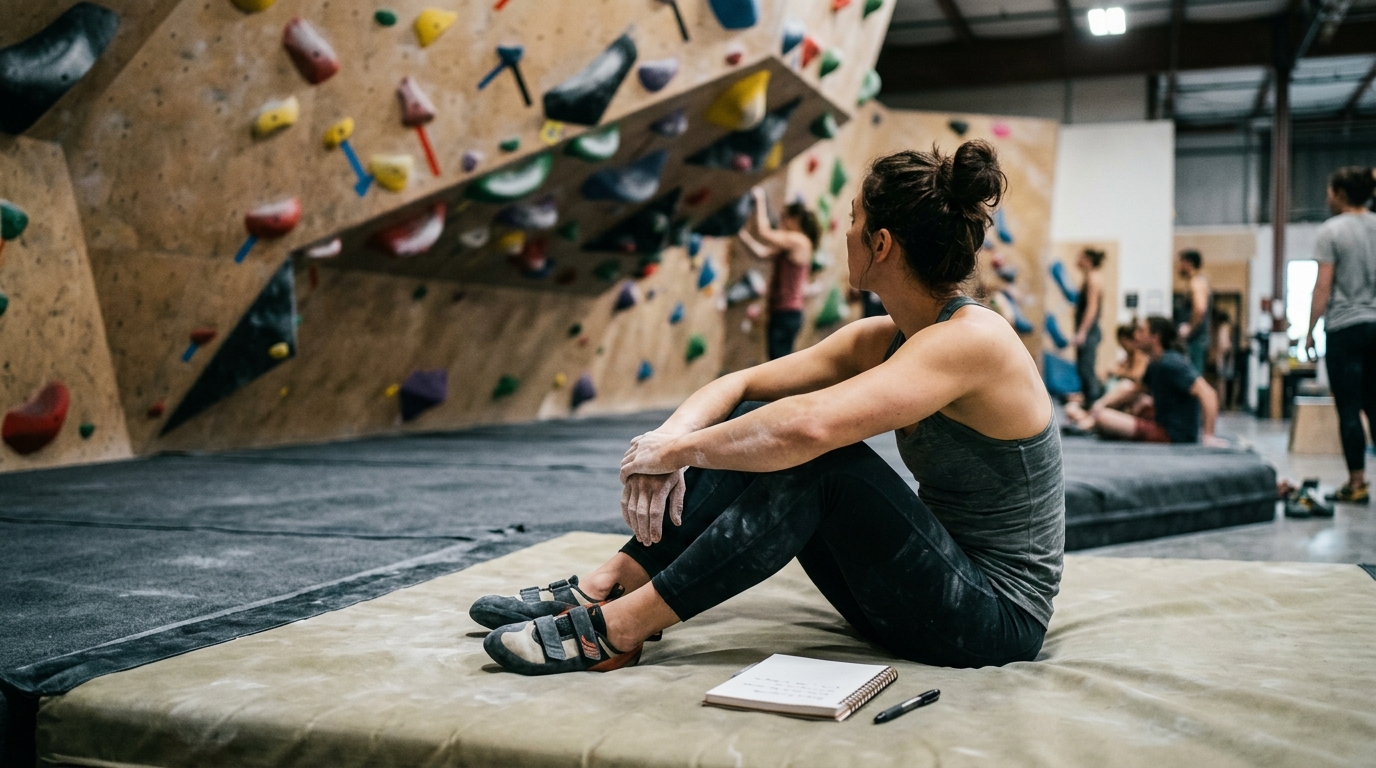
Most climbers hit a wall where progress stalls despite consistent effort. According to industry data on athletic development, approximately 70% of intermediate climbers experience a significant performance plateau within their first three years of dedicated training. This stagnation often stems from unstructured volume rather than a lack of physical capacity. Paradigm Climbing addresses this challenge through a holistic coaching model that prioritizes periodized training protocols over random gym sessions. By understanding the mechanics of overtraining and recovery, climbers can systematically dismantle barriers to higher grades. (ABOUT Paradigm Climbing)
Diagnosing the Stalled Progress
Before implementing a solution, you must identify the root cause of your stagnation. Many climbers mistake a lack of strength for a lack of technique. However, the reality is often more nuanced. Overtraining is not just a physical issue; it is an emotional one too. Climbers frequently push through fatigue, believing that more hours in the gym equal faster progress. This mindset leads to diminishing returns and potential injury.
Coach Charlie Schreiber, founder of Paradigm Climbing, emphasizes that unstructured training prevents athletes from taking ownership of their progress. When you train without a clear purpose, you fail to stimulate specific physiological adaptations. Recognizing the signs of stagnation, such as decreased hang time or increased frustration on familiar routes, is the first step toward breaking through.
The Paradigm Approach to Training
Paradigm Climbing utilizes a holistic approach to climbing development. This method addresses all areas of your physical and mental profile. It also considers life factors that affect on-wall performance. Unlike generic gym routines, this approach is tailored to the individual athlete's goals.
The core of this methodology is periodization. Periodization is the systematic planning of athletic or physical training. It involves cycling through different phases of training to optimize performance and prevent overtraining. By controlling volume, duration, and load, coaches can guide athletes toward peak performance at specific times.
This structured environment allows climbers to move beyond unstructured training. It provides a clear roadmap for improvement. Whether you are a beginner aiming for your first V-grade or an elite climber targeting V16, the principles remain consistent. The difference lies in the intensity and specificity of the protocols applied.
Understanding Periodization
Periodization is the backbone of long-term athletic development. It prevents the body from adapting to a static stimulus. When you perform the same exercises with the same intensity for months, your body stops responding. This is known as the plateau effect.
Paradigm Climbing prescribes periodized training protocols to optimize performance. These protocols are designed to improve performance over the short and long term. By varying the training load, you force your body to adapt continuously. This adaptation manifests as increased strength, improved endurance, and better technique.
For example, a climber might spend four weeks focusing on maximal strength. This phase involves heavy hangboarding and low-volume bouldering. The next phase might shift to endurance, with higher volume and lower intensity. This cyclical approach ensures that all aspects of climbing fitness are developed in harmony.
Technique Over Raw Power
Many climbers believe that breaking through a plateau requires more finger strength. While strength is crucial, technique is the multiplier. Poor technique wastes energy and limits your potential. Mastering movement efficiency allows you to climb harder grades with less effort.
Coach Mattias Braach-Maksvytis, a professional climber and coach, combines strength training with technique and tactics. He focuses on improving overall power, foot tension, and lower body utility. This combination helps climbers reach their goals more efficiently. Foot tension, in particular, is often overlooked but is critical for maintaining balance on small holds.
Repeating climbs is a powerful tool for technique development. A simple step-by-step process can help you add highly efficient repetition to your training. By climbing the same problem multiple times, you can refine your beta and reduce unnecessary movement. This process builds muscle memory and confidence.
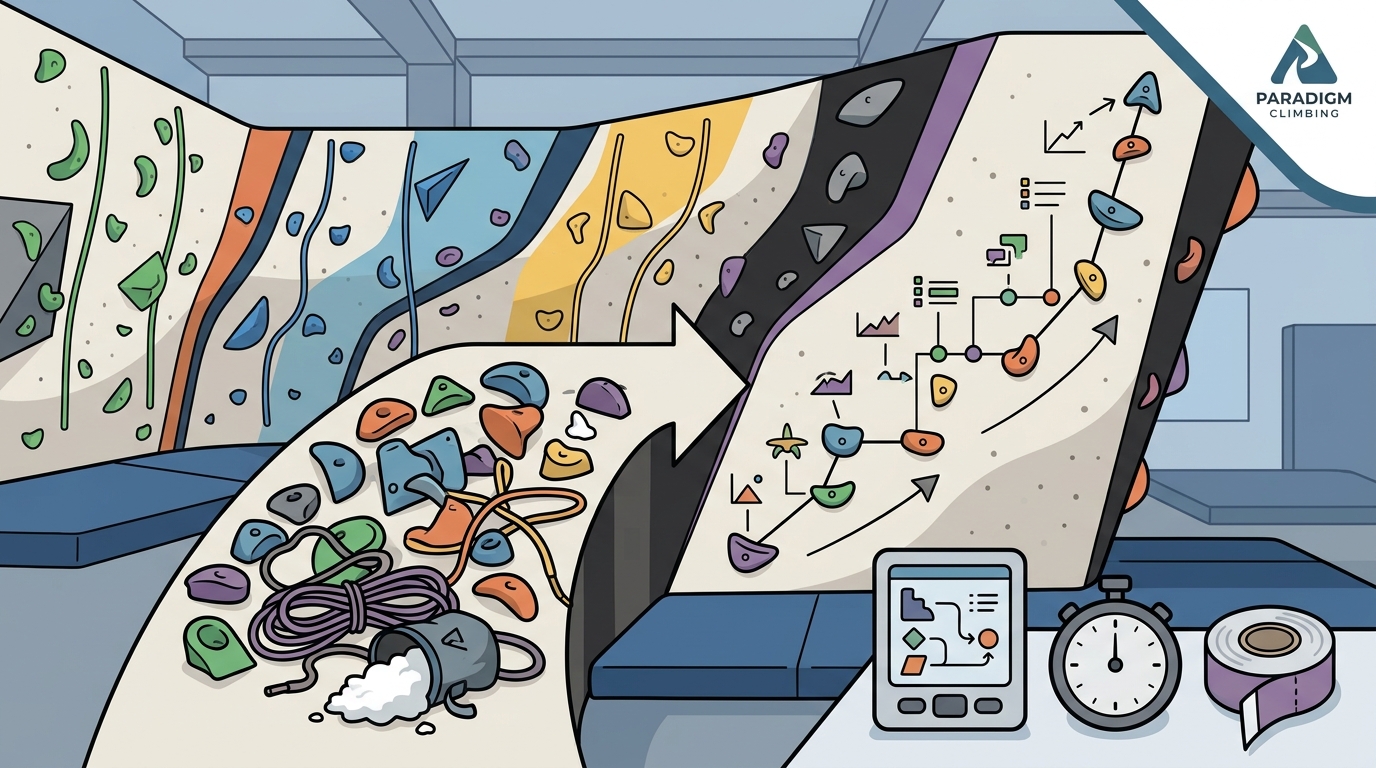
Strategic Recovery Protocols
Recovery is not passive; it is an active part of training. Without adequate recovery, the body cannot repair micro-tears in muscle tissue. This repair process is what leads to strength gains. Ignoring recovery leads to overtraining, which hinders progress.
Paradigm Climbing provides strategies to stop overtraining before it becomes a chronic issue. These strategies include monitoring heart rate variability, adjusting sleep patterns, and managing nutritional intake. By treating recovery as a non-negotiable component of training, climbers can sustain long-term progress.
Coach Charlie Schreiber has personally trained over 1000 climbers. His experience shows that athletes who prioritize recovery often progress faster than those who do not. This is because they can train harder and more frequently without breaking down. The key is to listen to your body and adjust your training load accordingly.
Choosing Your Training Path
Paradigm Climbing offers various training plans to suit different needs. Whether you prefer custom coaching or pre-written programs, there is a path for you. The following table summarizes the available options.
| Plan Type | Best For | Key Features | Link |
|---|---|---|---|
| Custom Plans | Elite Athletes | Personalized coaching, video analysis | View Custom Plans |
| Full Spectrum | Intermediate Climbers | 6 sessions weekly, technical drills | View Full Spectrum |
| Pre-Written Plans | Self-Motivated Climbers | Structured routines, hip mobility | View Pre-Written Plans |
| One-on-One Coaching | Technique Focus | In-person instruction, beta refinement | Contact Coach Charlie |
Selecting the right plan depends on your current level and goals. If you are struggling with specific movements, one-on-one coaching may be beneficial. If you need structure, a pre-written plan like Full Spectrum can provide the necessary framework. Both options are designed to help you overcome plateaus.
Key Takeaways
- Paradigm Climbing was founded by Coach Charlie Schreiber, who has over 20 years of climbing experience.
- Coach Charlie has personally trained over 1000 climbers, mentoring many from V0 to V16 levels.
- Periodization involves controlling volume, duration, and load to optimize performance and prevent injury.
- Coach Mattias Braach-Maksvytis brings 22 years of outdoor and competition experience to his coaching.
- Recovery is an active process that requires strategic management of sleep and nutrition.
- Technique development, such as foot tension, is often more critical than raw finger strength.
- Full Spectrum plans offer six varied climbing training sessions weekly for consistent progress.
Frequently Asked Questions
How long does it take to break through a bouldering plateau?
The timeline varies based on the climber's starting point and consistency. However, with a structured periodized plan, most climbers see noticeable improvements within 8 to 12 weeks. Consistency is key to sustained progress.
What is the difference between custom plans and pre-written plans?
Custom plans are tailored to your specific weaknesses and goals, often involving direct coaching. Pre-written plans, like Full Spectrum, provide a structured routine that you follow independently. Both are effective for breaking plateaus.
Can I use these training methods if I am a beginner?
Yes. Paradigm Climbing's plans are designed for all levels, from V0 to V16. Beginners benefit greatly from the technical drills and foundational strength protocols included in the programs.
How does Coach Charlie prevent overtraining?
Coach Charlie monitors training load and recovery metrics closely. He prescribes deload weeks and adjusts volume based on the athlete's feedback. This proactive approach prevents burnout and injury.
Is video analysis included in the coaching?
Yes, video analysis is a core component of the coaching process. It allows for precise feedback on movement mechanics and beta efficiency. This visual data helps climbers correct errors quickly.
What is the Full Spectrum plan?
Full Spectrum is a pre-written training series designed for climbers of all ages and skill levels. It includes six varied sessions weekly, technical drills, and a comprehensive hip mobility program.
Do I need to be a competitive climber to benefit from this system?
No. The system is designed for anyone looking to improve their climbing. Whether you climb for fitness, outdoor projects, or competition, the principles of periodization and technique apply universally.
Start Your Journey
Breaking through a bouldering plateau requires more than just effort. It requires a smart, structured approach. Paradigm Climbing provides the expertise and resources you need to reach your next grade. Contact Coach Charlie today to discuss your goals and find the right plan for you. Visit the Contact Page to get started.