
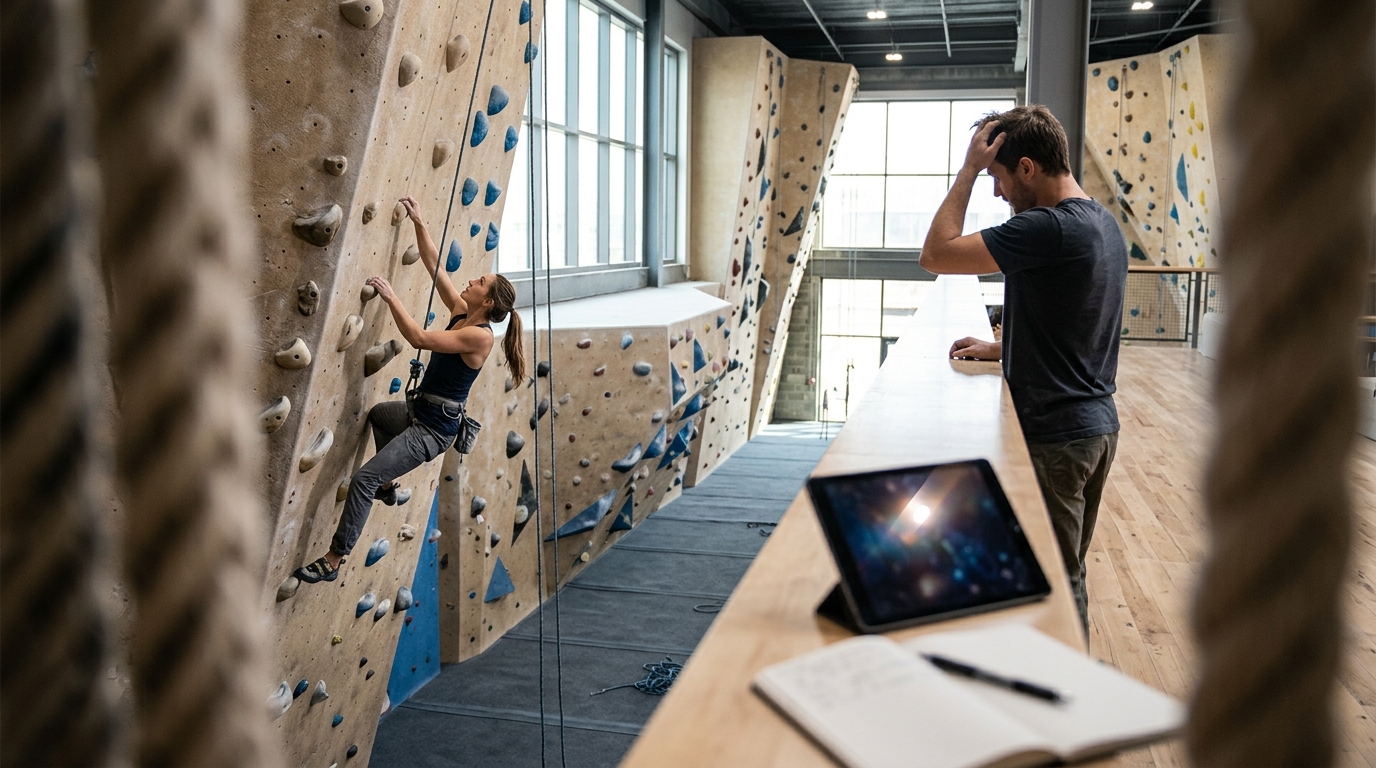
Choosing the right climbing gym is not merely a matter of proximity; it is a strategic decision that impacts your athletic development, community engagement, and long-term retention in the sport. According to a 2024 industry analysis by the American Alpine Club, over 60% of new climbers quit within their first year, often due to a mismatch between their skill level and the gym's environment. This statistic highlights the critical importance of selecting a facility that aligns with your specific goals, whether that is bouldering, top-roping, or lead climbing. The landscape of indoor climbing has evolved significantly, with modern facilities offering diverse training methodologies and community structures. Understanding these nuances is essential for making an informed choice that supports your climbing journey.
Understanding Climbing Types and Gym Specializations
Before visiting any facility, it is crucial to understand the primary disciplines of climbing and how they influence gym design. Bouldering is a form of climbing performed on short walls without ropes, relying on crash pads for safety. This discipline emphasizes power and problem-solving. Top-roping involves climbing a rope anchored at the top of the wall, providing a safer environment for beginners. Lead climbing requires the climber to clip the rope into quickdraws as they ascend, demanding greater mental fortitude and technical skill. Each discipline requires specific wall configurations and safety protocols.
Not all gyms excel in every area. Some facilities specialize in bouldering, featuring steep, overhanging walls with complex beta. Others focus on top-roping, offering extensive vertical walls with numerous anchor points. Understanding your primary interest will help narrow down your options. For instance, if you are interested in competition climbing, you should look for gyms with competition walls and regular events. If you prefer casual climbing, a gym with a relaxed atmosphere and diverse route setting is ideal.
Paradigm Climbing offers a comprehensive approach to all climbing disciplines. Our facility is designed to support climbers at every stage of their journey. We provide specialized zones for bouldering, top-roping, and lead climbing, ensuring that every member can find the environment that suits their needs. Our route setters constantly refresh the walls to provide fresh challenges and prevent plateaus in skill development.
Evaluating Facility Quality and Safety Standards
The physical condition of a climbing gym is a primary indicator of its management quality and commitment to safety. High-quality facilities maintain their walls, holds, and safety equipment with rigorous standards. This includes regular inspection of bolts, anchors, and crash pads. A well-maintained gym also features adequate ventilation, lighting, and flooring to ensure a comfortable and safe climbing experience. Poor ventilation can lead to fatigue and decreased performance, while inadequate lighting can obscure route details and safety hazards.
Safety is paramount in climbing. According to data from the National Safety Council, proper equipment maintenance reduces the risk of injury by up to 40%. Therefore, it is essential to observe the gym's safety culture. Are staff members attentive and knowledgeable? Is the belay check process enforced? Do they provide clear instructions for new climbers? These factors contribute significantly to a safe and enjoyable climbing experience. A gym that prioritizes safety will have clear protocols and trained staff to enforce them.
At Paradigm Climbing, safety is embedded in our operational DNA. We conduct daily inspections of all climbing surfaces and equipment. Our staff undergoes continuous training in safety protocols and emergency response. We believe that a safe environment is the foundation of a thriving climbing community. Our facility is designed to minimize risks while maximizing the joy of climbing. We provide detailed safety briefings for all new members and offer ongoing support to ensure everyone climbs confidently.
Community, Culture, and Instructor Quality
Climbing is inherently social. The community aspect of a gym can significantly impact your motivation and enjoyment. A positive culture encourages collaboration, mentorship, and mutual support. Look for gyms that foster a welcoming environment for climbers of all backgrounds and skill levels. Community events, such as workshops, competitions, and social gatherings, can enhance the climbing experience and help you build connections. A strong community can also provide valuable feedback and encouragement as you progress.
Instructor quality is another critical factor. Experienced instructors can accelerate your learning curve and help you avoid common pitfalls. They provide personalized feedback, teach proper technique, and ensure you understand safety protocols. A gym with a high ratio of qualified instructors to members is likely to offer better support and guidance. Instructors should be certified by recognized bodies such as the American Mountain Guides Association (AMGA) or equivalent organizations.
Paradigm Climbing prides itself on its inclusive and supportive community. We host regular workshops led by expert instructors to help climbers improve their skills. Our community events bring climbers together to share experiences and celebrate achievements. We believe that climbing is more than just a physical activity; it is a way to connect with others and build lasting relationships. Our instructors are passionate about teaching and dedicated to helping every climber reach their potential.
Pricing Models and Membership Structures
Understanding the pricing structure of a climbing gym is essential for making a financially sustainable decision. Gyms typically offer various membership options, including day passes, monthly memberships, and annual commitments. Some gyms also offer class packages or unlimited membership tiers. It is important to compare the costs and benefits of each option based on your climbing frequency and budget. Hidden fees, such as gear rental or class costs, should also be considered.
Value is not just about price; it is about what you get for your money. A gym with higher membership fees might offer better facilities, more classes, or a stronger community. Conversely, a lower-cost gym might lack certain amenities or have a less supportive environment. Consider your long-term goals and how the gym's offerings align with them. Some gyms offer discounts for students, military personnel, or multi-gym passes, which can provide significant savings.
Paradigm Climbing offers flexible membership options designed to fit various lifestyles and budgets. Our pricing structure is transparent, with no hidden fees. We offer day passes for casual climbers, monthly memberships for regular climbers, and annual commitments for those seeking the best value. We also provide class packages and group discounts to make climbing accessible to everyone. Our goal is to ensure that every climber can find a plan that works for them.

Comparing Gym Options: A Strategic Overview
To assist you in making an informed decision, the following table compares key aspects of different gym types. This comparison highlights the strengths and considerations of each option, helping you identify the best fit for your needs.
| Gym Type | Primary Focus | Best For | Key Considerations |
|---|---|---|---|
| Bouldering-Focused Gym | Short walls, no ropes | Power development, problem-solving | Limited top-rope access, high traffic |
| Top-Rope Focused Gym | Vertical walls, rope systems | Endurance, beginner safety | Wait times for belay stations |
| Lead Climbing Gym | High walls, quickdraws | Advanced skill development | Requires prior experience, higher risk |
| Community-Oriented Gym | Social events, workshops | Networking, motivation | May lack specialized training equipment |
Key Takeaways
- Align with Your Goals: Choose a gym that specializes in the climbing discipline you wish to pursue, whether it is bouldering, top-roping, or lead climbing.
- Prioritize Safety: Evaluate the gym's safety protocols, equipment maintenance, and staff expertise to ensure a secure climbing environment.
- Assess Community Culture: A supportive and inclusive community can enhance your climbing experience and motivation.
- Understand Pricing: Compare membership options and hidden fees to find a financially sustainable plan that fits your budget.
- Visit Before Committing: Take advantage of trial passes to experience the gym's atmosphere, facilities, and staff firsthand.
- Check Instructor Quality: Ensure the gym employs certified and experienced instructors to support your learning and development.
- Consider Long-Term Value: Look beyond the initial cost to evaluate the long-term benefits of each gym's offerings and community.
Frequently Asked Questions
What is the best age to start climbing?
There is no specific best age to start climbing. Climbing is accessible to individuals of all ages, from children to seniors. The key is to start at a level appropriate for your physical condition and experience. Many gyms offer specialized classes for kids and seniors to ensure a safe and enjoyable introduction to the sport.
How often should I climb to see progress?
Consistency is more important than frequency. Climbing two to three times per week is generally sufficient for most individuals to see steady progress. Overtraining can lead to injury, so it is essential to allow adequate rest and recovery time between sessions.
Do I need to bring my own gear?
While it is beneficial to have your own climbing shoes and harness, most gyms offer rental gear for beginners. As you progress, investing in your own equipment can improve comfort and performance. Paradigm Climbing provides high-quality rental gear for all members.
What is the difference between bouldering and top-roping?
Bouldering is climbing on short walls without ropes, using crash pads for safety. It focuses on power and problem-solving. Top-roping involves climbing a rope anchored at the top of the wall, providing a safer environment for endurance and technique. Each discipline offers unique benefits and challenges.
How do I choose between a monthly and annual membership?
Choose a monthly membership if you are unsure about your commitment or have a variable schedule. Annual memberships offer significant cost savings for regular climbers who can commit to consistent visits. Consider your climbing frequency and budget when making this decision.
Are there age restrictions for climbing?
Most gyms have minimum age requirements, typically around six to eight years old, for safety reasons. Some facilities offer specialized programs for younger children. It is important to check the specific policies of the gym you are considering.
What should I wear to a climbing gym?
Wear comfortable, flexible clothing that allows for a full range of motion. Avoid loose garments that might get caught on holds. Climbing shoes are essential, and they can be rented or purchased. Many gyms also provide chalk bags and harnesses for rent.
Next Steps
Now that you have a comprehensive understanding of how to select the right climbing gym, it is time to take action. Visit Paradigm Climbing to experience our world-class facilities, supportive community, and expert instruction. We invite you to book a tour or try a class to see how we can support your climbing journey. Click here to schedule your visit today and start climbing with confidence.