
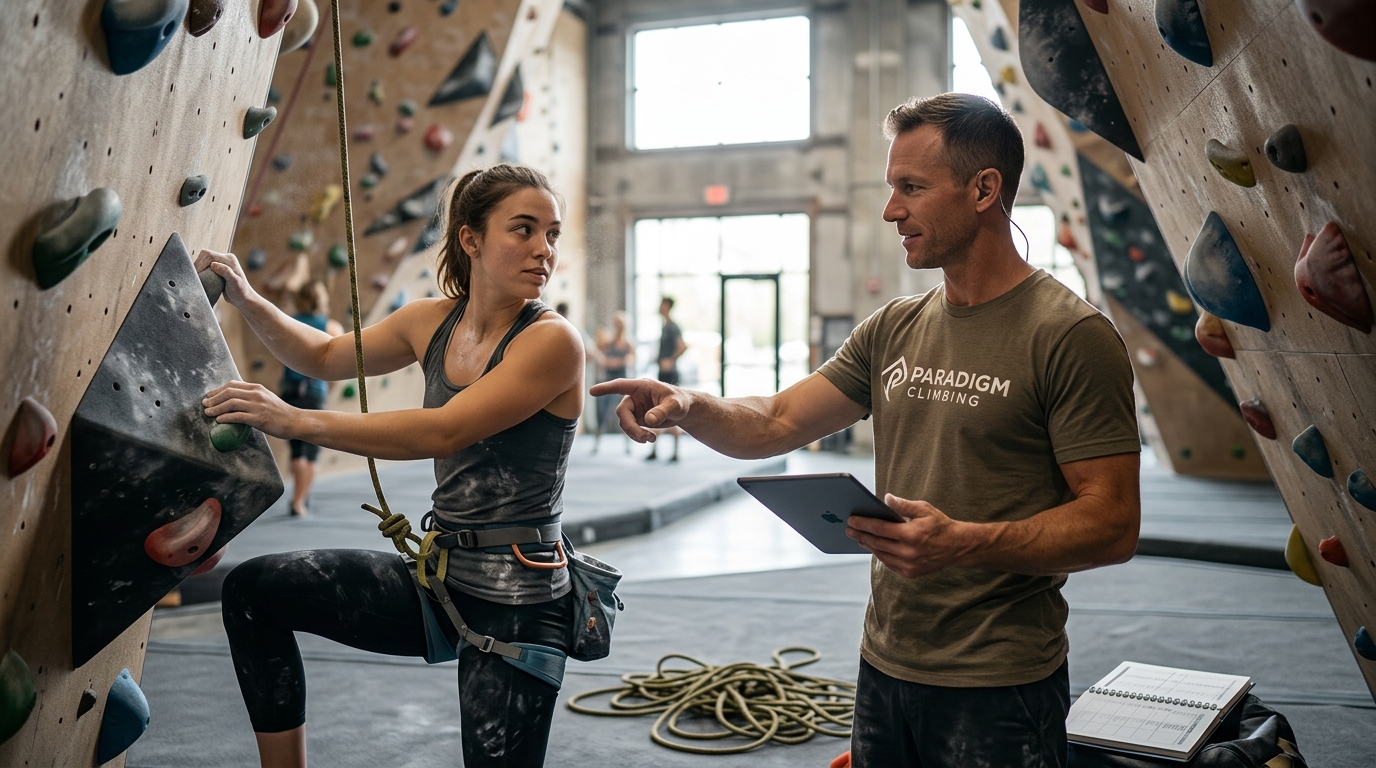
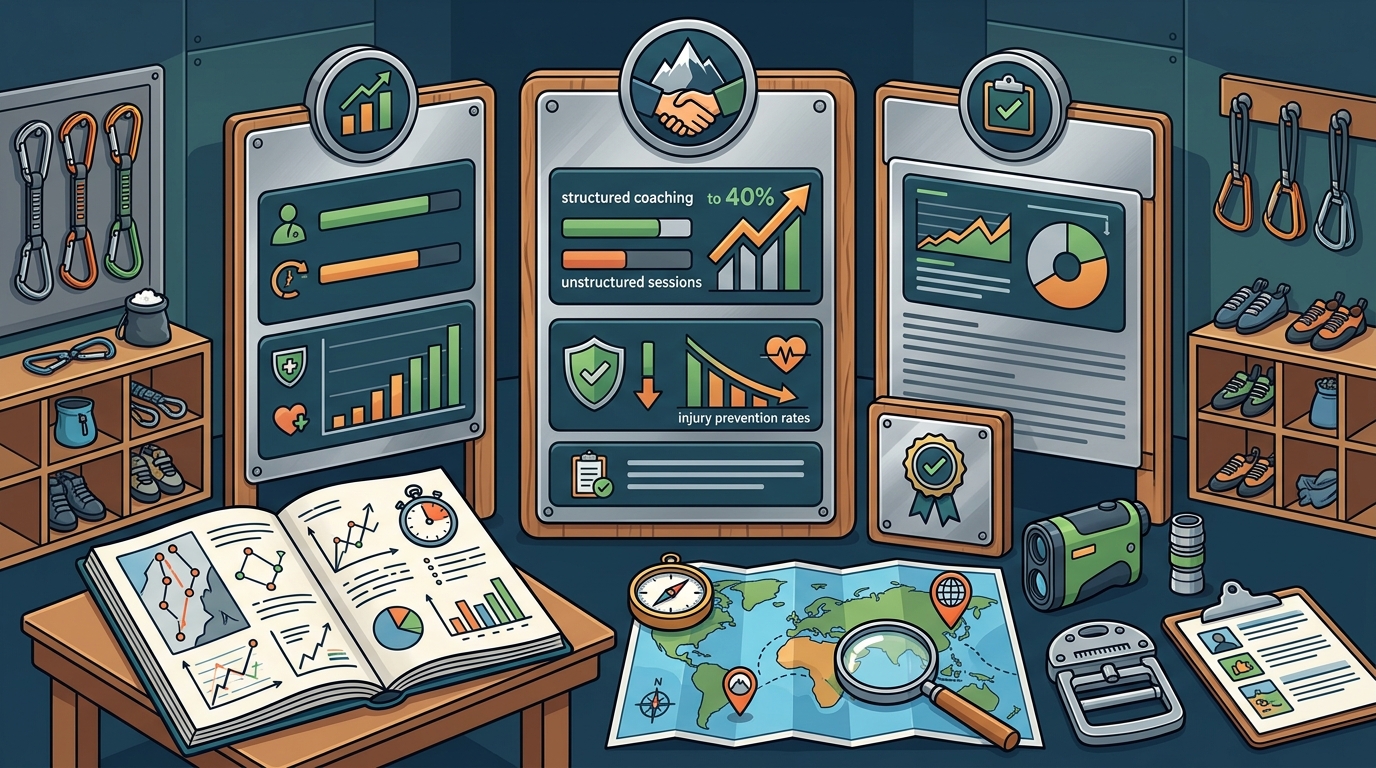
Finding the right climbing coach is the single most effective lever for accelerating your progress on the wall. According to industry data, structured training programs can improve climbing efficiency and injury prevention rates by up to 40% compared to unstructured gym sessions. This statistic highlights why professional guidance is no longer a luxury but a necessity for serious athletes. Whether you are aiming to flash your first V5 or prepare for a World Cup competition, the methodology you use to select a coach determines your long-term trajectory.
Verify Credentials and Climbing History
The first step in your search is validating the coach's technical proficiency. A qualified coach must demonstrate a deep understanding of biomechanics, physiology, and climbing technique. Look for coaches who have competed at high levels or have extensive experience in route setting and athlete development.
For example, Coach Charlie Schreiber, the founder of Paradigm Climbing, brings 20 years of climbing experience and a background in competitive climbing up to the World Cup level. His credentials include a Bachelor's in Finance and certification as a Strength and Conditioning Specialist (CSCS). This combination of athletic prowess and academic knowledge ensures that training protocols are both physically sound and strategically periodized. Similarly, Coach Mattias Braach-Maksvytis offers 22 years of outdoor and competition experience, specializing in bouldering and dyno first ascensions. His background in physical therapy adds a critical layer of injury prevention expertise to his coaching philosophy.
When reviewing a coach's profile, check for specific metrics such as:
- Years of active coaching experience.
- Specific grade achievements (e.g., V13 bouldering, 5.14a sport climbing).
- Competitive history or route-setting credentials.
- Professional certifications in strength and conditioning or physical therapy.
These indicators provide a baseline for technical authority. You can learn more about the specific qualifications of our coaching team by visiting the About page.
Define Your Specific Climbing Goals
Before contacting a coach, you must articulate your objectives. Climbing is a diverse discipline, and a coach specializing in bouldering may not be the optimal choice for a trad climbing expedition. Your goals dictate the type of programming you need.
Are you looking to break through a plateau in bouldering? Do you need help with endurance for long sport routes? Or are you preparing for a specific competition? Clear goals allow the coach to tailor their approach. For instance, if you are a beginner, you need a coach who focuses on fundamental movement mechanics and safety. If you are an elite athlete, you require periodized training that manages load and volume to prevent overtraining.
Paradigm Climbing offers custom plans designed for indoor and outdoor athletes ranging from V0/5.5 to V16/5.15c. This range ensures that whether you are just starting or are a double-digit boulderer, there is a structured path to your next level. You can explore these tailored options on the Training Plans page.
Evaluate Training Methodology and Philosophy
Not all coaching styles are created equal. Some coaches focus heavily on strength and power, while others prioritize technique and efficiency. The best coaches use a holistic approach that addresses physical, mental, and lifestyle factors.
A qualified coach should prescribe periodized training protocols. This means controlling volume, duration, and load to optimize performance while preventing injury. For example, Coach Charlie Schreiber focuses on helping climbers understand why and how training works, not just what to do. This educational approach empowers athletes to take ownership of their progress. Similarly, Coach Mattias combines strength training, technique, and tactics to improve overall power and foot tension.
When evaluating a coach, ask the following questions:
- How do you structure a typical training week?
- What is your approach to recovery and overtraining prevention?
- Do you use video analysis to correct movement mechanics?
- How do you adjust plans based on athlete feedback?
These questions reveal whether the coach uses a rigid template or a dynamic, athlete-centered methodology. You can read more about the coaching philosophy on the About page.
Assess Communication and Support Style
Coaching is a relationship. The best technical plan is useless if you cannot communicate with your coach. Look for coaches who are accessible, responsive, and supportive. Personal interaction is crucial for long-term success.
At Paradigm Climbing, Coach Charlie reads every email personally and is excited to answer questions. This level of direct access ensures that athletes receive timely feedback and adjustments. Response times can vary, but the commitment to personal engagement is clear. This is particularly important for remote coaching, where digital communication is the primary mode of instruction.
Consider the following communication channels:
- Email responsiveness and depth of feedback.
- Availability for video calls or check-ins.
- Access to community platforms or group chats.
- Clarity of written instructions and video analysis.
Strong communication builds trust and accountability. You can reach out to discuss your needs via the Contact page.
Compare Plan Structures and Pricing
Once you have identified potential coaches, compare their service offerings. Some coaches offer pre-written plans, while others provide fully custom programming. The right choice depends on your budget, time, and need for personalization.
Pre-written plans are excellent for climbers who want structure without the cost of custom programming. They often include varied sessions, technical drills, and mobility work. Custom plans, on the other hand, are tailored to your specific schedule, commitment level, and finances. They allow for precise periodization and real-time adjustments.
| Plan Type | Best For | Key Features | Flexibility |
|---|---|---|---|
| Pre-Written Plans | Self-starters on a budget | Fixed sessions, drills, mobility | Low |
| Custom Plans | Elite or specific goal athletes | Personalized periodization, video analysis | High |
| Hybrid Coaching | Intermediate climbers | Guided plans with check-ins | Medium |
Understanding these differences helps you make an informed decision. You can view the full spectrum of available plans on the Full Spectrum page.
Key Takeaways
- Verify Credentials: Look for coaches with competitive history, route-setting experience, and relevant certifications like CSCS.
- Define Goals: Align your coaching needs with your specific climbing discipline, whether bouldering, sport, or trad.
- Evaluate Methodology: Choose coaches who use periodized training and holistic approaches to prevent injury and optimize performance.
- Assess Communication: Ensure the coach offers accessible and responsive support, such as personal email feedback.
- Compare Plans: Decide between pre-written structure and custom programming based on your budget and personalization needs.
- Check History: Review testimonials and athlete progress stories to gauge coaching effectiveness.
- Start Small: Consider a trial period or introductory session to test the coaching dynamic before committing long-term.
Frequently Asked Questions
What qualifications should a rock climbing coach have?
A qualified coach should have a strong climbing background, preferably with competitive or route-setting experience. They should also hold relevant certifications in strength and conditioning or physical therapy to ensure safe and effective training protocols.
How do I choose between a pre-written plan and a custom plan?
Pre-written plans are ideal for climbers who want structure and consistency at a lower cost. Custom plans are better for athletes with specific goals, unique schedules, or those who need real-time adjustments and personalized video analysis.
Can a climbing coach help with injury prevention?
Yes, a significant part of professional coaching is injury prevention. Coaches use periodized training to manage load and volume, ensuring that athletes do not overtrain. They also focus on mobility and technique to reduce stress on joints and tendons.
How often will I communicate with my coach?
Communication frequency depends on the plan. Custom plans often include regular check-ins, video analysis, and direct email access. Pre-written plans may offer less direct interaction but still provide structured guidance and resources.
Is online coaching as effective as in-person coaching?
Online coaching can be highly effective, especially with the use of video analysis and detailed written feedback. Many elite athletes train successfully with remote coaches because it allows for precise programming and flexibility.
What is the typical cost of a climbing coach?
Climbing coaching costs vary based on the level of personalization. Pre-written plans are generally more affordable, while custom plans with direct coach access command a higher price due to the time and expertise involved.
How long does it take to see results from coaching?
Results depend on your starting point and consistency. However, structured training typically yields noticeable improvements in technique and strength within 8 to 12 weeks. Long-term progress continues as you adhere to periodized protocols.
Start Your Training Journey
Finding the right coach is the first step toward reaching your climbing potential. By verifying credentials, defining your goals, and evaluating methodologies, you can make an informed decision that accelerates your progress. Whether you need custom programming or a structured pre-written plan, professional guidance can transform your climbing experience.
Ready to maximize your climbing potential? Explore our custom training programs and connect with our expert coaches today. Visit the Contact page to schedule your consultation and take the first step toward your next breakthrough.