
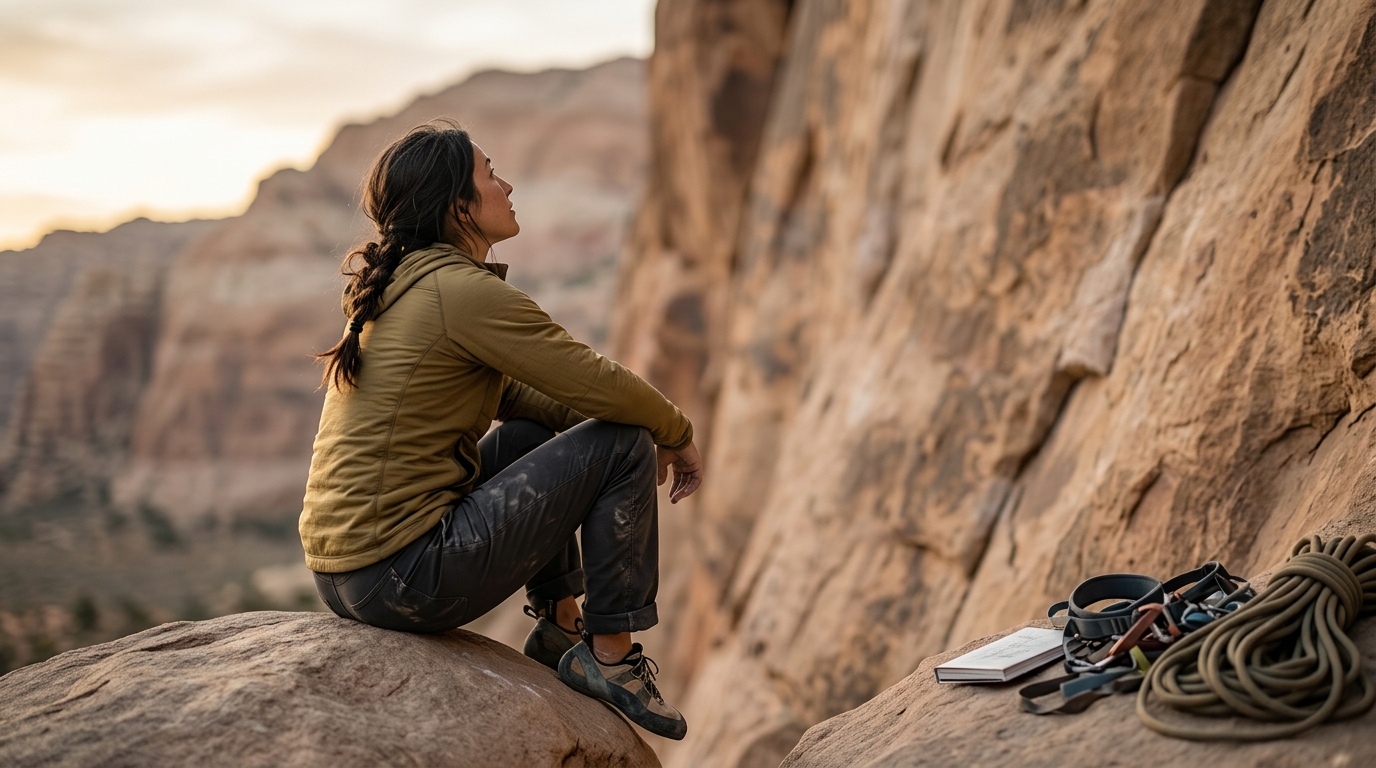
Finding the right mentor is the single most effective lever for accelerating your progress in rock climbing. According to industry data, structured coaching can reduce the time required to reach specific grade milestones by up to 40 percent compared to unstructured self-training. This statistic highlights the critical importance of selecting a coach who understands both the biomechanics of movement and the physiology of athletic development. Without a guided approach, climbers often plateau due to inefficient training protocols or preventable injuries.
Verify Professional Credentials and Experience
The first step in your search is validating the coach's background. A qualified coach should possess recognized certifications in strength and conditioning, such as the CSCS (Certified Strength and Conditioning Specialist). This credential ensures they understand periodization, load management, and injury prevention. Beyond certifications, look for extensive personal climbing experience. A coach who has climbed to high levels, such as V13 or 5.14a, possesses the tactile knowledge necessary to diagnose subtle movement errors.
Experience in coaching is equally vital. Look for coaches who have a track record of mentoring athletes from beginner levels (V0) to elite tiers (V16 or V17). This range demonstrates an ability to adapt their teaching style to different learning curves. For instance, Coach Charlie Schreiber has over 20 years of climbing experience and has personally trained more than 1,000 climbers. His background includes competing at World Cup levels, which provides a deep understanding of high-performance mechanics.
When evaluating credentials, ask about their educational background. A foundation in fields like physical therapy or kinesiology can be a significant advantage. Coach Mattias Braach-Maksvytis combines his climbing expertise with a background in physical therapy, allowing him to prescribe training that optimizes performance while minimizing injury risk. This holistic approach is a hallmark of top-tier coaching.
Assess Specialization and Climbing Style
Not all coaches specialize in the same areas of climbing. Some focus heavily on bouldering, while others excel in sport climbing, trad climbing, or competition prep. Your choice should align with your specific goals. If you are preparing for a competition, you need a coach with experience in route setting and competitive strategy. If your goal is outdoor sending, you need a coach who understands endurance, crimp strength, and outdoor beta reading.
Consider the coach's geographic location if you seek in-person instruction. Coach Matt Ratajczak is based in Albuquerque, a region known for its high-quality rock and competitive climbing scene. He has mentored multiple youth and open Team USA Climbing athletes, indicating a strong grasp of national-level competition dynamics. For those unable to meet in person, remote coaching via video analysis and custom plans is a viable alternative.
Also, evaluate the coach's personal climbing philosophy. Do they emphasize technical precision, power development, or mental toughness? A coach who aligns with your learning style will make the process more enjoyable and effective. For example, Coach Mattias focuses on combining strength training with technique to improve lower body utility and power, which is particularly beneficial for boulderers.
Evaluate Training Methodology and Philosophy
A qualified coach must provide a clear, structured methodology. Avoid coaches who offer vague advice or generic workout routines. Instead, look for coaches who use periodized training protocols. Periodization involves controlling volume, duration, and load to optimize performance and prevent overtraining. This scientific approach ensures that you are peaking at the right times and recovering adequately.
Effective coaching also involves holistic development. This includes addressing mental factors, mobility, and lifestyle impacts on climbing performance. A coach who takes a holistic approach will help you improve all factors that affect your on-wall performance. For more insights into training philosophy, you can explore the Paradigm Climbing Blog, which offers articles on topics like overtraining and the importance of repetition.
Additionally, check if the coach offers video analysis. Video feedback is crucial for identifying movement inefficiencies that you cannot feel while climbing. This tool allows for precise corrections and accelerates skill acquisition. Coaches who utilize video analysis demonstrate a commitment to data-driven improvement.
Review Client Testimonials and Success Stories
Testimonials provide social proof of a coach's effectiveness. Look for specific examples of client progress, such as grade advancements or competition results. Be wary of generic praise; specific outcomes are more indicative of coaching quality. For instance, a testimonial mentioning a client progressing from V0 to V16 is a strong indicator of coaching capability.
Check for reviews on independent platforms or the coach's website. Consistent positive feedback across multiple clients suggests reliability and professionalism. Also, consider the diversity of the client base. A coach who successfully works with beginners, intermediates, and elites demonstrates versatility.
At Paradigm Climbing, client success stories highlight the transformative power of personalized coaching. These stories often mention improved confidence, faster grade progression, and a deeper understanding of climbing mechanics. Reading these accounts can help you visualize your own potential journey.

Compare Custom vs. Pre-Written Training Plans
Once you have identified potential coaches, compare their service offerings. Most coaches offer two main types of training plans: custom-designed plans and pre-written plans. Each has distinct advantages depending on your budget, time, and need for personalization.
| Feature | Custom Training Plans | Pre-Written Plans |
|---|---|---|
| Personalization | Highly tailored to individual goals, weaknesses, and schedule. | Generalized structure suitable for a broad range of climbers. |
| Coach Interaction | Direct access to the coach for feedback and adjustments. | Limited or no direct interaction; self-guided. |
| Cost | Higher price point due to personalized service. | More affordable, accessible entry point. |
| Best For | Competitors, advanced climbers, or those with specific injuries. | Beginners to intermediates seeking structure and consistency. |
Custom plans, as offered through Paradigm Climbing's Custom Plans, provide a dedicated coach who monitors your progress and adjusts the program in real-time. This is ideal for climbers who need accountability and precise guidance. Pre-written plans, such as the Full Spectrum Series, offer a structured 6-day training week with technical drills and mobility work. These are excellent for climbers who are disciplined and self-motivated but need a proven framework.
Key Takeaways
- Credentials Matter: Look for CSCS certification and extensive climbing experience (e.g., V13+ or 5.14a).
- Specialization Aligns with Goals: Choose a coach whose expertise matches your climbing style (bouldering, sport, competition).
- Holistic Approach: Effective coaching addresses physical, mental, and lifestyle factors for sustainable progress.
- Proven Track Record: Verify success through testimonials, such as mentoring athletes from V0 to V16.
- Service Fit: Decide between custom coaching for personalized guidance or pre-written plans for structured self-training.
- Video Analysis: Prioritize coaches who use video feedback for precise movement correction.
- Direct Communication: Ensure the coach offers direct access for questions and support, as seen with Coach Charlie's personal email response policy.
Frequently Asked Questions
What qualifications should a rock climbing coach have?
A qualified coach should have recognized certifications like CSCS, extensive personal climbing experience (often V10+), and a proven history of coaching athletes to higher grades or competition success.
How do I choose between a custom plan and a pre-written plan?
Choose a custom plan if you need personalized feedback, have specific weaknesses, or are preparing for competition. Choose a pre-written plan if you are self-motivated, on a budget, and need a structured framework to follow.
Can remote coaching be as effective as in-person coaching?
Yes, remote coaching can be highly effective, especially when it includes video analysis and regular check-ins. It allows climbers to receive expert guidance regardless of geographic location.
What is periodized training in climbing?
Periodized training is a scientific approach that controls volume, duration, and load over time to optimize performance, prevent overtraining, and ensure peak condition for specific goals or competitions.
How long does it take to see results from a climbing coach?
Results vary based on the climber's starting point and consistency. However, structured coaching typically accelerates progress by addressing inefficiencies early, often leading to noticeable improvements in technique and strength within 3 to 6 months.
Do coaches help with mental aspects of climbing?
Yes, many coaches incorporate mental training into their programs. This includes techniques for fear management, focus, and visualization, which are critical for sending difficult routes.
What is the cost of hiring a climbing coach?
Costs vary widely. Pre-written plans are generally more affordable, while custom coaching with direct coach interaction commands a higher price due to the personalized service and expertise provided.
Start Your Journey
Ready to transform your climbing? Don't let unstructured training hold you back. Connect with a professional coach who can guide you to your next level. Visit the Contact Page to send a message directly to Coach Charlie, or explore the Custom Training Plans to find the perfect fit for your goals. Your next breakthrough is just a conversation away.