
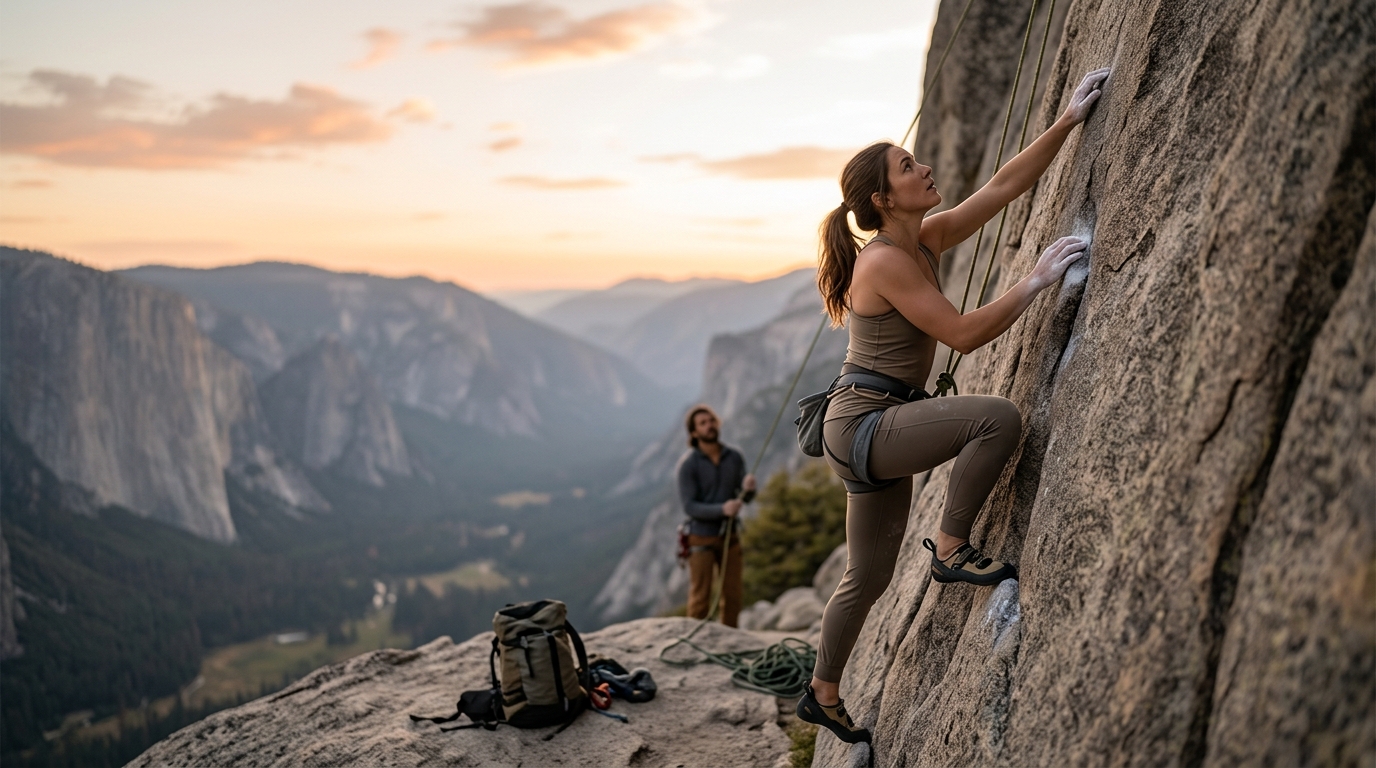
Rock climbing has evolved from a purely recreational activity into a highly structured athletic pursuit where systematic training dictates performance ceilings. According to recent industry data, climbers who engage in periodized strength and conditioning programs report a 40% faster progression rate in bouldering grades compared to those relying solely on unstructured gym sessions. This statistic highlights the critical importance of moving beyond random hangboarding and fingerboard work to adopt a holistic approach that addresses physical limitations and technical gaps. At Paradigm Climbing, we have spent over two decades refining the methodologies that transform novices into elite athletes. This guide explores the most effective training frameworks, the science behind them, and how to select the right path for your specific climbing goals. (Paradigm Climbing Rock Climbing)
Understanding the Philosophy of Climbing Training
Effective climbing training is not merely about doing more pull-ups or hanging on smaller edges for longer periods. It is about understanding the physiological and psychological mechanisms that drive progress. Periodization is the systematic planning of athletic training that involves progressive cycling of various aspects of a training program during a specific period. In climbing, this means alternating between phases of high volume, high intensity, and recovery to prevent overtraining while maximizing strength gains. (BLOG Paradigm Climbing)
Many climbers fall into the trap of unstructured training. They go to the gym, climb the same routes, and hang on the board without a clear objective. This approach often leads to plateaus or, worse, injury. A professional coach helps you understand why and how training works, allowing you to take ownership of your progress. By focusing on long-term athlete development, coaches can guide you from your current grade to your potential grade without burning out your tendons and ligaments.
The foundation of any successful training plan lies in addressing all areas of your physical and mental profile. This includes core strength, finger strength, shoulder stability, and the mental resilience required to send difficult routes. At Paradigm Climbing, we emphasize a holistic approach that considers life factors affecting on-wall performance, ensuring that your training supports your overall well-being.
Custom Plans vs. Pre-Written Programs
When looking to improve your skills, you generally have two primary options: custom-designed training programs or pre-written plans. Each has distinct advantages depending on your experience level, goals, and budget.
The Advantage of Custom Training
Custom training plans are tailored specifically to your individual needs. This is particularly crucial for climbers aiming for specific grades, such as moving from V5 to V7 or preparing for a competition. A custom plan accounts for your current strengths, weaknesses, injury history, and schedule. For example, if you struggle with dynamic movement but have strong static strength, your plan will prioritize dynamic drills and power endurance.
Coach Charlie Schreiber, the founder of Paradigm Climbing, has personally trained over 1000 climbers, mentoring multiple athletes from Day 1 V0 to the V16 and V17 level. His approach involves prescribing periodized training protocols that control volume, duration, and load. This level of detail is impossible to achieve in a generic program. Custom plans also provide continuous support, with coaches available to answer questions and adjust the program as you progress.
The Role of Pre-Written Plans
Pre-written plans offer a structured starting point for climbers who are new to formal training or have a general goal, such as improving overall fitness or reaching a specific grade within a set timeframe. These plans are designed by experienced coaches and incorporate proven methodologies. They are ideal for climbers who need guidance on what to do but do not yet require the granular customization of a one-on-one coaching relationship.
However, pre-written plans lack the flexibility to address individual idiosyncrasies. If you have a specific injury or a unique schedule, you may need to modify the plan significantly. This is where the guidance of a professional coach becomes invaluable, even if you are using a pre-written framework.

Key Coaching Expertise and Methodologies
The quality of your training plan is directly influenced by the expertise of the coach designing it. At Paradigm Climbing, our coaching team brings a wealth of experience from both competitive and outdoor climbing worlds.
Coach Charlie Schreiber, CSCS
Charlie Schreiber is a certified strength and conditioning coach with 20 years of climbing experience. His background includes competitive climbing up to the World Cup level and outdoor climbing up to V13 and 5.14a. Over his 16 years of coaching, he has helped athletes achieve national championships and world-class results. His methodology focuses on helping climbers understand the "why" behind the training, empowering them to make informed decisions about their development.
Coach Mattias Braach-Maksvytis
Mattias Braach-Maksvytis is an Australian climber with 22 years of experience in both outdoor and competition climbing. As a V14 boulderer and first ascensionist, he brings a deep understanding of high-level bouldering techniques. His coaching experience spans the last 8 years, focusing on helping climbers refine their technique and mental approach for both competitions and outdoor adventures.
Coach Matt Ratajczak
Based in Albuquerque, Matt Ratajczak is a professional routesetter and climbing coach. Since 2008, he has coached and mentored multiple youth and open Team USA Climbing athletes. His expertise in route setting provides a unique perspective on climbing movement, allowing him to design training that mimics real-world climbing scenarios effectively.
Comparing Training Plan Structures
To help you choose the right path, here is a comparison of the primary training structures offered by professional climbing coaches.
| Plan Type | Best For | Key Features | Support Level |
|---|---|---|---|
| Custom Plans | Elite athletes, competition climbers, climbers with specific grade goals | Personalized periodization, injury prevention, continuous adjustment | High (Direct coach access) |
| Pre-Written Plans | Intermediate climbers, general fitness, structured beginners | Proven frameworks, clear progression, cost-effective | Medium (Guided but static) |
| Full Spectrum Coaching | Comprehensive development, mental and physical integration | Holistic approach, life factor analysis, long-term planning | Very High (All-encompassing) |
Choosing the right plan depends on your current level and your ambition. If you are aiming for the top of the podium or sending your first 5.14, a custom plan is essential. For those looking to build a solid foundation, pre-written plans offer a reliable starting point.
Key Takeaways for Climbers
- Periodization is Critical: Structured training cycles prevent overtraining and maximize strength gains, leading to faster grade progression.
- Expert Coaching Matters: Coaches like Charlie Schreiber have mentored athletes from V0 to V17, demonstrating the efficacy of professional guidance.
- Holistic Approach: Effective training addresses physical, mental, and life factors, not just on-wall performance.
- Customization Wins: Custom plans offer tailored periodization and injury prevention that pre-written plans cannot match.
- Diverse Expertise: The coaching team includes World Cup competitors, V14 boulderers, and Team USA mentors, providing varied perspectives.
- Long-Term Development: Focus on long-term athlete development rather than short-term fixes to ensure sustainable progress.
- Support is Key: Continuous support and advice from a coach help climbers navigate challenges and stay motivated.
Frequently Asked Questions
What is the difference between custom and pre-written climbing plans?
Custom plans are tailored to your specific strengths, weaknesses, and goals, offering continuous coach support. Pre-written plans are standardized programs designed for general improvement, offering less flexibility but lower cost.
How long does it take to see results from a training plan?
Results vary based on consistency and starting level. Generally, climbers see noticeable improvements in strength and technique within 8 to 12 weeks of following a structured plan. Long-term progress requires sustained effort over months and years.
Do I need to be a competitive climber to benefit from these plans?
No. While many plans are designed for competitors, the methodologies are equally effective for outdoor climbers and recreational enthusiasts looking to improve their skills and prevent injury.
What qualifications do the coaches at Paradigm Climbing have?
Our coaches include certified strength and conditioning specialists, former World Cup competitors, and experienced routesetters with decades of coaching experience.
Can I modify a pre-written plan if I have an injury?
It is highly recommended to consult with a coach before modifying a plan. While you can adjust volume, specific exercises may need to be swapped to avoid aggravating the injury. Professional guidance ensures safe progression.
How does periodization help in climbing?
Periodization helps manage fatigue and prevents overtraining by alternating between high-intensity and recovery phases. This allows for consistent progress without burning out, which is common in unstructured training.
What is the "Full Spectrum" approach?
The Full Spectrum approach is a holistic training methodology that addresses all aspects of a climber's profile, including physical, mental, and lifestyle factors, to optimize overall performance.
Start Your Climbing Journey
Whether you are aiming for your first V-grade or preparing for a World Cup, the right training plan can make the difference between stagnation and breakthrough. At Paradigm Climbing, we provide the expertise, structure, and support you need to maximize your potential. Explore our Custom Plans to see how we can tailor a program to your goals. Learn more about our coaching team on our About page. If you are ready to take the next step, Contact Us today to discuss your climbing journey.