
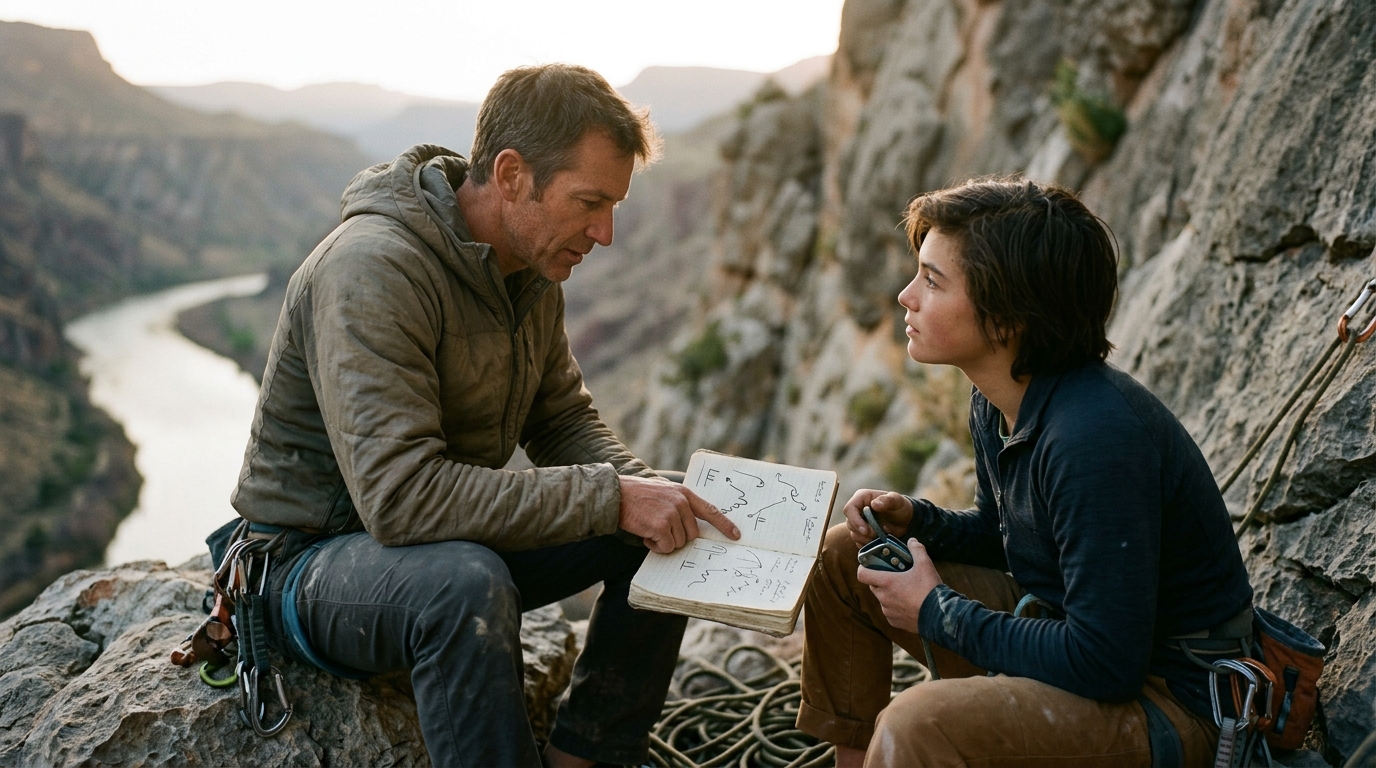
According to recent industry data, over 60% of recreational climbers plateau within their first two years of consistent practice due to unstructured training methods. This stagnation often leads to frustration and eventual abandonment of the sport. Finding a qualified rock climbing coach is not merely about hiring someone who climbs well. It is about identifying a professional who can translate their elite experience into a structured, periodized program tailored to your specific physiological and psychological needs. The right mentorship can accelerate your progress from a V0 beginner to a V13+ boulderer in a fraction of the time it takes to figure it out alone.
Verify Professional Credentials and Experience
The first step in your search is validating the coach's background. A qualified rock climbing coach must possess more than just personal climbing prowess. They need formal education in sports science, injury prevention, and athlete development. Look for certifications such as CSCS (Certified Strength and Conditioning Specialist) or equivalent climbing-specific coaching credentials. These certifications ensure the coach understands biomechanics, load management, and recovery protocols.
Experience matters significantly in this niche. A coach who has competed at high levels, such as the World Cup circuit or National Championships, brings a deep understanding of competitive pressure and route reading. However, their ability to coach beginners is equally important. You want a coach who has successfully guided athletes from Day 1 to advanced grades. This trajectory proves they can break down complex movements for novices while still challenging elite climbers.
When reviewing profiles, look for specific metrics. For instance, a coach who has personally trained over 1000 climbers demonstrates a proven track record of scalability and adaptability. This volume of experience suggests they have encountered a wide variety of physical limitations and psychological barriers. It also indicates they have refined their communication methods over time. Coach Charlie Schreiber, for example, has spent over 16 years coaching and competing, providing a robust foundation for client success.
Assess Coaching Style and Communication
Coaching is a two-way street. The best technical knowledge is useless if the coach cannot communicate it effectively. During initial consultations, pay close attention to how the coach explains concepts. Do they use jargon that confuses you, or do they break down complex ideas into digestible parts? A good coach should make you feel empowered, not intimidated.
Consider the coach's philosophy on training. Some coaches focus heavily on physical strength, while others emphasize mental resilience and technique. The most effective approach is holistic. This means addressing physical profile, mental state, and even lifestyle factors that impact performance. Holistic coaching ensures that you are not just getting stronger, but also smarter and more resilient on the wall.
Communication frequency is another critical factor. Do you prefer daily check-ins or weekly reviews? Some coaches offer continuous support via messaging apps, while others rely on scheduled video calls. Ensure the coach's availability aligns with your needs. You want a partner who is accessible when you hit roadblocks, not just someone who delivers a PDF and disappears.
Evaluate Program Structure and Methodology
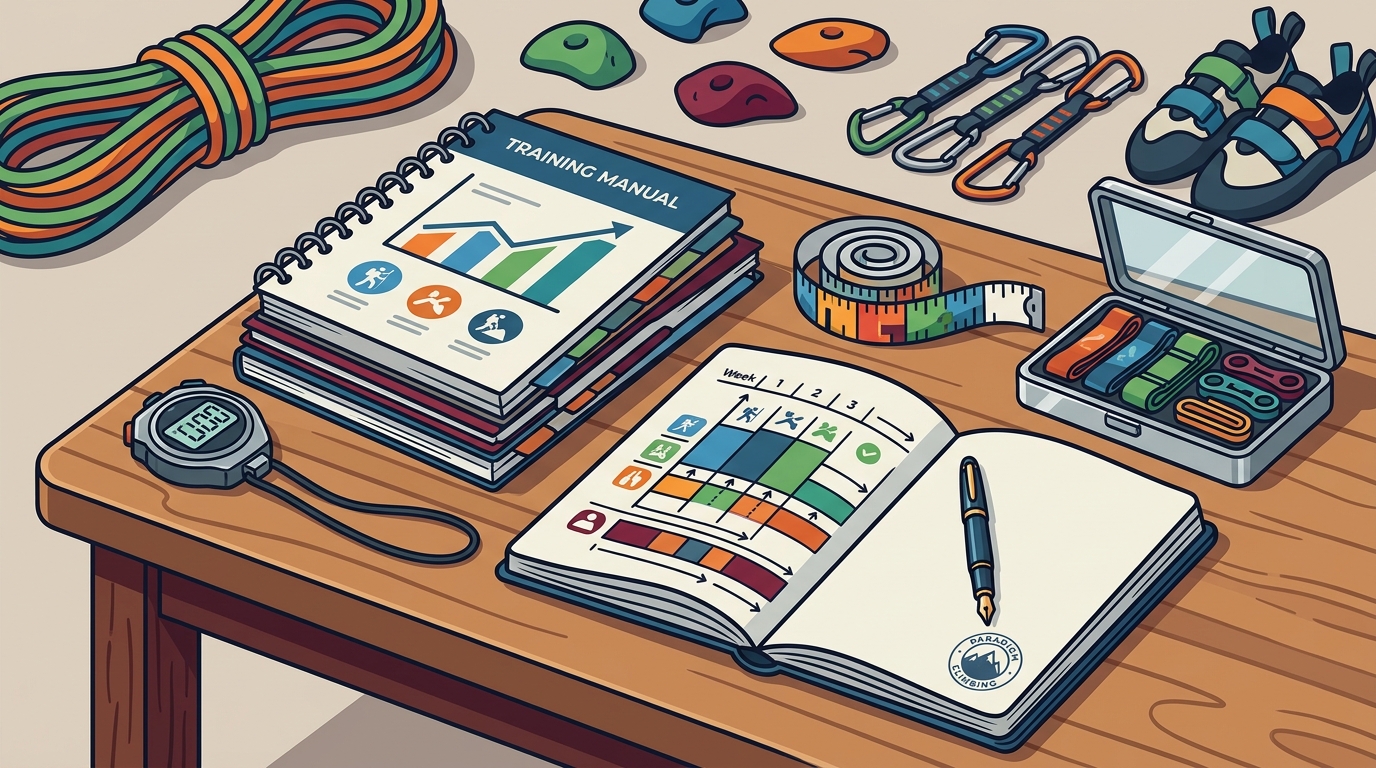
A qualified rock climbing coach must provide structured, periodized training. Random workouts lead to plateaus and injuries. Periodization involves cycling through phases of high intensity, volume, and recovery to optimize performance. This scientific approach prevents overtraining and ensures steady progress.
Look for coaches who prescribe specific protocols for volume, duration, and load. These parameters are crucial for managing fatigue and maximizing adaptation. A well-structured program will include warm-ups, specific strength exercises, bouldering sessions, and cool-down routines. It should also account for your current grade and goals. For example, a climber aiming for V10 needs a different approach than one targeting 5.14a sport routes.
Additionally, the coach should teach you why you are doing each exercise. Understanding the mechanics behind the training helps you take ownership of your progress. This educational component is vital for long-term development. It allows you to make informed decisions even when you are not being coached. Custom training plans are often more effective than generic templates because they adapt to your unique physiology.
Compare Service Models and Pricing
Coaching services vary widely in format and cost. Understanding these differences will help you choose the right option for your budget and learning style. Below is a comparison of common service models.
| Service Model | Description | Best For | Typical Cost Range |
|---|---|---|---|
| Custom 1-on-1 Coaching | Personalized program with direct coach access and regular feedback. | Climbers seeking rapid progress and specific goal achievement. | $200 - $500 per month |
| Pre-Written Plans | Static PDF programs with no direct interaction. | Self-starters who need structure but have limited budget. | $50 - $150 one-time |
| Group Coaching | Small group sessions with shared training goals. | Climbers who thrive in community environments. | $100 - $250 per month |
| Hybrid Coaching | Combination of custom programming and periodic video analysis. | Intermediate climbers needing technical refinement. | $150 - $300 per month |
While pre-written plans are cheaper, they lack the adaptability of custom coaching. Your body changes, and your goals shift. A custom plan evolves with you. This flexibility is often worth the investment for serious climbers. Custom plans ensure that every exercise serves a specific purpose in your development.
Check Client Testimonials and Results
Finally, verify the coach's success rate through client testimonials. Look for specific examples of progress. Did a client go from V0 to V10? Did a competitive climber improve their World Cup ranking? Specific results are more credible than vague praise.
Pay attention to the diversity of clients. A coach who has successfully guided both youth athletes and open competitors demonstrates versatility. This breadth of experience suggests they can handle different personality types and physical limitations. Testimonies from past clients provide insight into the coach's reliability and effectiveness.
Also, consider the coach's involvement in the climbing community. Do they set routes? Do they compete? These activities keep them connected to the current trends and techniques in the sport. A coach who is active in the community is more likely to stay updated on best practices. Reading their blog can also give you a sense of their expertise and communication style.
Key Takeaways
- Verify Credentials: Look for CSCS certifications and a history of coaching athletes from beginner to elite levels.
- Holistic Approach: Choose a coach who addresses physical, mental, and lifestyle factors for comprehensive development.
- Periodization is Key: Ensure the coach uses structured, periodized training to prevent injury and optimize performance.
- Communication Style: Assess if the coach's teaching style matches your learning preferences during a consultation.
- Proven Results: Review testimonials for specific grade advancements and competition successes.
- Custom vs. Generic: Prioritize custom coaching over pre-written plans for personalized adaptability.
- Community Involvement: Active coaches in the climbing community stay current with techniques and trends.
Frequently Asked Questions
What is the difference between a climbing coach and a gym instructor?
A gym instructor typically focuses on safety and basic technique within the facility. A climbing coach develops long-term athletic programs, focusing on strength, endurance, and specific grade progression. Coaches use sports science principles to tailor training to individual goals.
How much does a qualified rock climbing coach cost?
Costs vary based on the level of service. Custom 1-on-1 coaching typically ranges from $200 to $500 per month. Pre-written plans are more affordable, often costing between $50 and $150. Group coaching offers a middle ground, usually around $100 to $250 per month.
Can a coach help me if I am a complete beginner?
Yes, many coaches specialize in long-term athlete development. They can help you build a strong foundation, prevent bad habits, and accelerate your early progress. A qualified coach understands how to guide athletes from Day 1 to their first significant milestones.
What should I look for in a coach's training program?
Look for periodized training that includes specific volume, duration, and load parameters. The program should include warm-ups, strength work, and recovery protocols. It should also explain the "why" behind each exercise to help you understand the mechanics.
How do I know if a coach is right for me?
Trust your gut during the consultation. Do you feel comfortable asking questions? Does the coach listen to your goals and tailor their advice accordingly? A good coach will make you feel supported and motivated, not just sold to.
Do I need to compete to benefit from a climbing coach?
No, coaching is beneficial for recreational climbers as well. Coaches help with injury prevention, grade progression, and mental resilience. Whether you aim for the World Cup or just want to climb V10 outdoors, a coach can provide the structure needed to succeed.
How often will I communicate with my coach?
Communication frequency depends on the service model. Custom coaching often includes weekly check-ins or daily messaging support. Group coaching may have less direct interaction. Ensure the level of support matches your needs and preferences.
What is the role of route setting in coaching?
Coaches who are also route setters have a deep understanding of movement patterns and hold placements. This expertise allows them to design more effective training sessions and provide better feedback on your technique. It bridges the gap between theory and practical application.
Start Your Climbing Journey
Do not let unstructured training hold you back. Take control of your climbing destiny by partnering with a qualified professional. Contact Paradigm Climbing today to discuss your goals and discover how custom coaching can transform your performance. Whether you are aiming for your first V-grade or preparing for a World Cup, the right coach is your key to unlocking your full potential.